
9" Cheddar Pie Crust
This Cheddar Pie Crust starts with my signature 3:2:1 butter-lard pie crust and adds freshly grated sharp cheddar for a rich, savory twist that's perfect for apple pies, quiches, pot pies, and other hearty fillings. The cheddar bakes into the dough, creating a flaky crust with subtle savory flavor that complements both sweet and savory recipes without overpowering them.
Like all of my pie crusts, this recipe includes precise gram measurements, step-by-step instructions, and options for making either a single or double crust. If you've never paired cheddar with apple pie before, this recipe is the perfect place to start.
The crust is built on a simple 3:2:1 ratio of flour, fat, and liquid. Butter provides rich flavor, while lard creates exceptionally flaky layers. Freshly grated cheddar adds richness, color, and a gentle savory edge while keeping the crust sturdy enough for juicy fruit pies and substantial savory fillings.
The 3:2:1 Formula:
3 Parts Flour build the structure.
2 Parts Butter + Lard create rich flavor and flaky, tender layers.
1 Part Ice-Cold Water or Vodka brings the dough together while keeping the fat cold for maximum flakiness.
Once you understand the 3:2:1 method, making pie crust becomes less about memorizing recipes and more about understanding the technique. Whether you're baking a single 9-inch pie or rolling out several crusts for the holidays, the same reliable formula works every time.
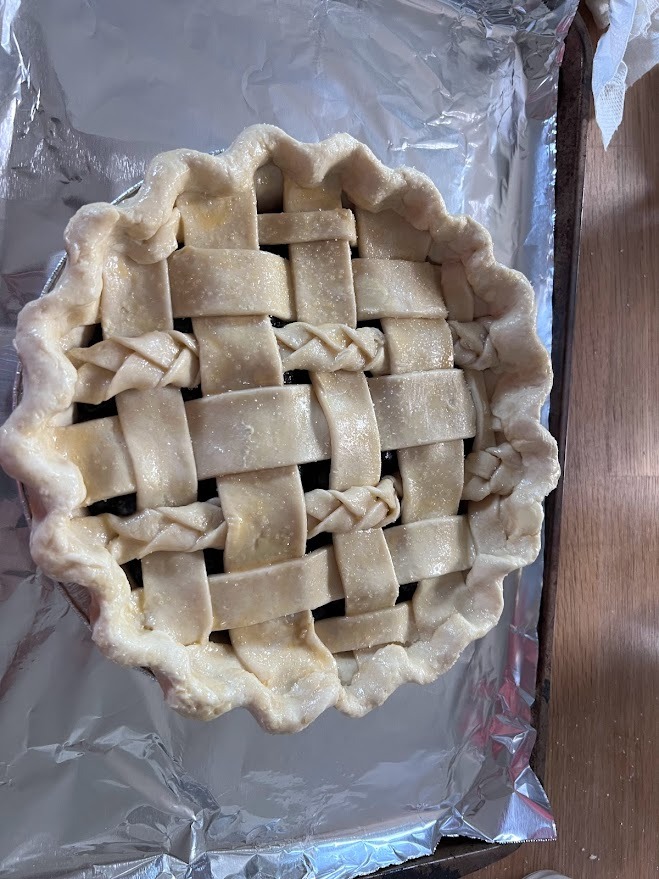

One 9-Inch Cheddar Pie Crust
100g sharp cheddar cheese, freshly grated (1 cup)
170g all-purpose flour
113g total fat
56g unsalted butter (4 tbsp)
57g lard
57g ice-cold water
2g kosher salt (½ tsp)
4g granulated sugar (1 tsp)
Two 9-Inch Cheddar Pie Crusts
200g sharp cheddar cheese, freshly grated (2 cups)
340g all-purpose flour
226g total fat
113g unsalted butter (1 stick)
113g lard
113g ice-cold water
4g kosher salt (1 tsp)
8g granulated sugar (2 tsp)
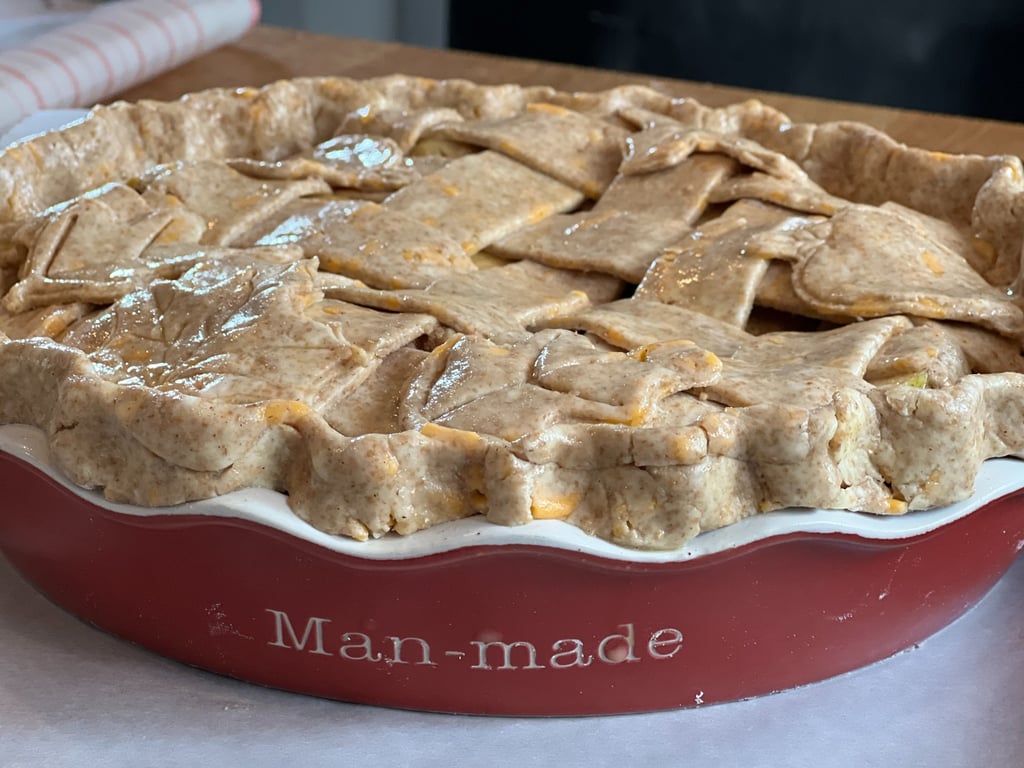
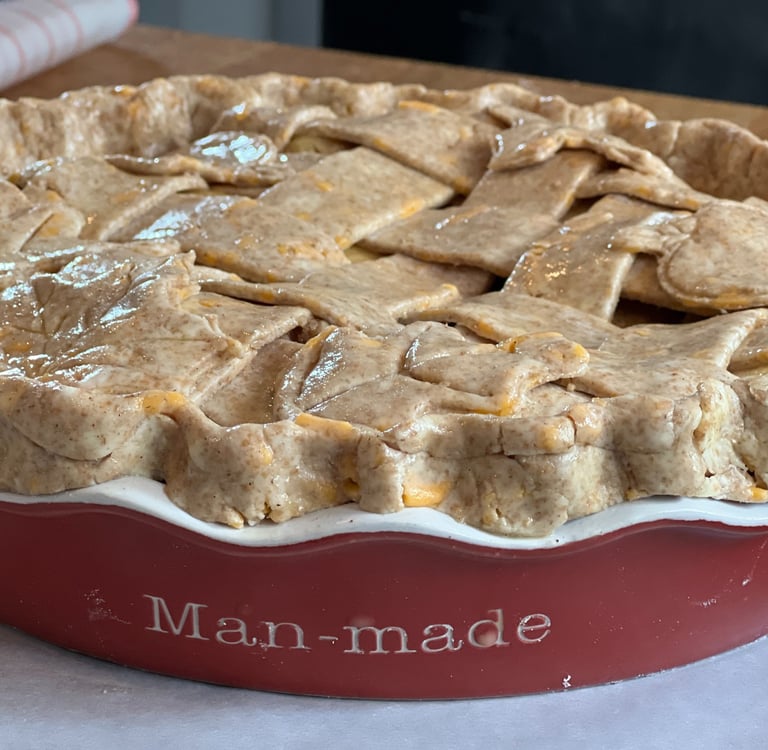
Freshly grate the cheddar for the best flavor and texture. Pre-shredded cheese contains anti-caking agents that can affect the dough.
How to Make the Perfect Cheddar Pie Crust
1. Cut in the Butter, Lard, and Cheddar
In a large mixing bowl, whisk together the flour, salt, and sugar (if using). Add the cold, cubed butter and cold lard.
Using a pastry cutter, sturdy fork, or your fingertips, work the fat into the flour until the mixture resembles coarse crumbs with pea-sized pieces of butter and lard still visible.
Stir in the freshly grated sharp cheddar until evenly distributed throughout the flour mixture.
Man-Made Tip: Use freshly grated cheddar instead of pre-shredded cheese. It melts more evenly and doesn't contain anti-caking agents that can affect the dough.
2. Add the Ice-Cold Liquid
Drizzle the ice-cold water (or vodka) over the flour mixture a little at a time, gently stirring with a fork after each addition.
Stop adding liquid as soon as the dough holds together when squeezed in your hand. It should still look slightly shaggy rather than smooth.
If the dough seems dry, add another teaspoon of liquid. If it becomes sticky, dust in a little more flour.
Man-Made Tip: Less mixing means a more tender, flakier crust.
3. Rest the Dough
Turn the dough onto a lightly floured surface and gently press it together into a disk. Avoid kneading the dough.
Wrap tightly in plastic wrap and refrigerate for at least 1 hour (2 hours is even better), or up to 24 hours. Chilling allows the flour to fully hydrate while firming the butter and lard, making the dough easier to roll and helping prevent shrinkage during baking.
How long should you chill pie dough?
30 minutes: Good if you're short on time. The butter firms back up, but the flour hasn't fully hydrated, so the dough may crack more easily when rolled.
1 hour: The sweet spot for most bakers. The dough rolls more smoothly, the gluten has relaxed, and the butter stays cold.
2 hours: My recommendation. The dough is fully chilled, fully hydrated, and noticeably easier to roll with less cracking and shrinking.
Overnight (up to 24 hours): Also an excellent option. The dough develops even more evenly and is often at its easiest to work with the next day.
4. Roll It Out
Lightly flour your work surface and rolling pin.
If the dough has been refrigerated for 1 hour or longer, let it sit at room temperature for 15 to 20 minutes before rolling. The butter and lard should still feel cold, but the dough will be more pliable and much less likely to crack.
Starting in the center, roll outward in every direction, rotating the dough a quarter turn every few rolls to maintain a round shape.
Roll until the dough is about ⅛ inch thick and 11 to 12 inches in diameter for a standard 9-inch pie plate.
Man-Made Tip: If the dough becomes soft or sticky, refrigerate it for 10 to 15 minutes before continuing.
5. Fit the Pie Plate
Carefully roll the dough around the rolling pin and unroll it over the pie plate, or gently fold it into quarters before transferring.
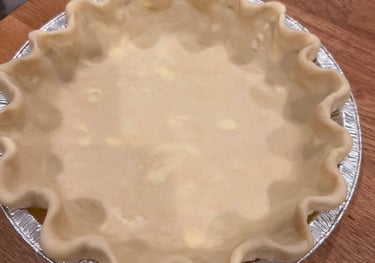
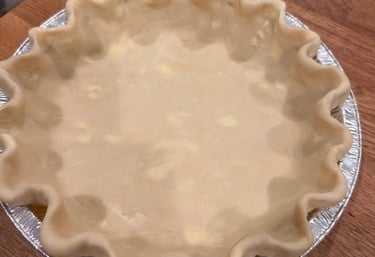
Ease the dough into the bottom and sides without stretching it. Trim any excess, leaving about 1 inch of overhang, then fold the edge underneath itself and crimp as desired.
Man-Made Tip: Stretching the dough causes it to shrink during baking.
6. Top Your Pie
If you're making a double-crust pie, roll out the second batch of dough just as you did the first.
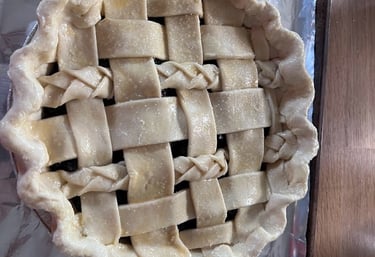
Lattice Top
Roll the dough into a circle about 10 to 11 inches in diameter. Using a pizza cutter or sharp knife, cut ¾ to 1-inch strips and weave them over the filling to create a classic lattice. Trim the ends, fold them into the bottom crust, and crimp the edges together.
Full Top Crust
For a traditional covered pie, lay the second crust over the filling, trim the overhang, fold the edges under, and crimp to seal. Cut several small slits in the center to allow steam to escape during baking.
Man-Made Tip: Brush the top crust or lattice with egg wash before baking for a beautifully golden finish.
7. Crimp the Edges
Once the dough is fitted into the pie plate, finish the edge using your favorite style.
Classic Finger Crimp: Pinch the dough between your fingers to create evenly spaced fluted edges.
Fork Crimp: Press the tines of a fork around the edge to create a simple decorative finish.
Rope Crimp: Fold the overhang underneath itself and gently push the dough forward with your thumb to form a twisted rope.
Rustic Edge: Fold the edge under without crimping for a more casual, homemade appearance.
Decorative Cutouts: Use leftover dough to cut leaves, stars, or other shapes. Attach them with a little egg wash before baking.
Man-Made Tip: If the dough becomes soft while crimping, refrigerate it for 10 to 15 minutes before baking.
8. Fill and Bake
Refrigerate the prepared crust for 15 to 20 minutes before adding the filling. Once chilled, fill the crust and bake according to your pie recipe.
Why I Add Cheddar
Sharp cheddar has been paired with apple pie for generations, especially throughout New England. In the crust, it adds subtle savory richness rather than an overtly cheesy flavor, balancing sweet fruit fillings while creating beautifully golden, flakey layers. Freshly grated sharp or extra-sharp cheddar blends into the dough more evenly and produces the best texture and flavor.
More From Man-Made Pies
Looking for your next bake? Start here.
Cheddar Bacon Apple Pie
Award-winning pie recipes
Homemade Pie Crusts, Brownies, and Bold Desserts Built From Scratch.
A curated collection of recipes I actually make, trust, and come back to.
Built one pie at a time in Baltimore.
Good pies start with good crust. Everything else is just filling.
Michael@manmadepies.com
© 2025. All rights reserved.