10 Tips for the Perfect Pecan Pie
Ten simple rules that separate just meh pecan pie from blue-ribbon pecan pie.
Great pecan pie isn't about luck or one secret ingredient. It's the result of dozens of small decisions made from the moment you mix the crust until the pie cools on the rack. These are the ten principles I've found make the biggest difference. They helped earn my pecan pie a Maryland State Fair Blue Ribbon and have become the foundation of every pecan pie recipe on Man-Made Pies. Every one of these techniques is built into those recipes, so once you master them here, you'll bake better pecan pies every time.
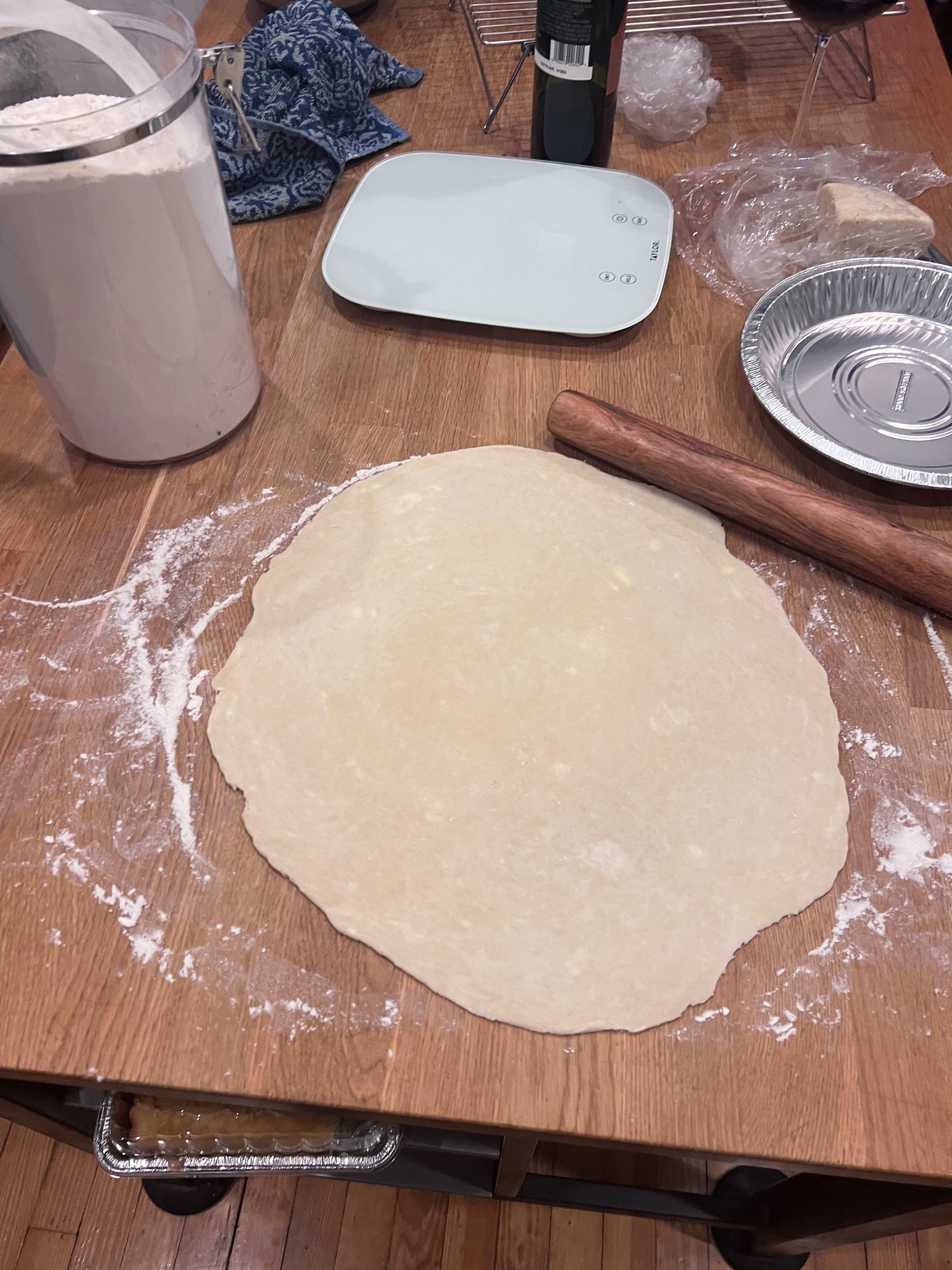
1. Start with a Better Crust
Every great pecan pie starts long before the filling. A flaky, well-made crust provides the structure that holds everything together while adding buttery flavor and crisp texture to every bite.
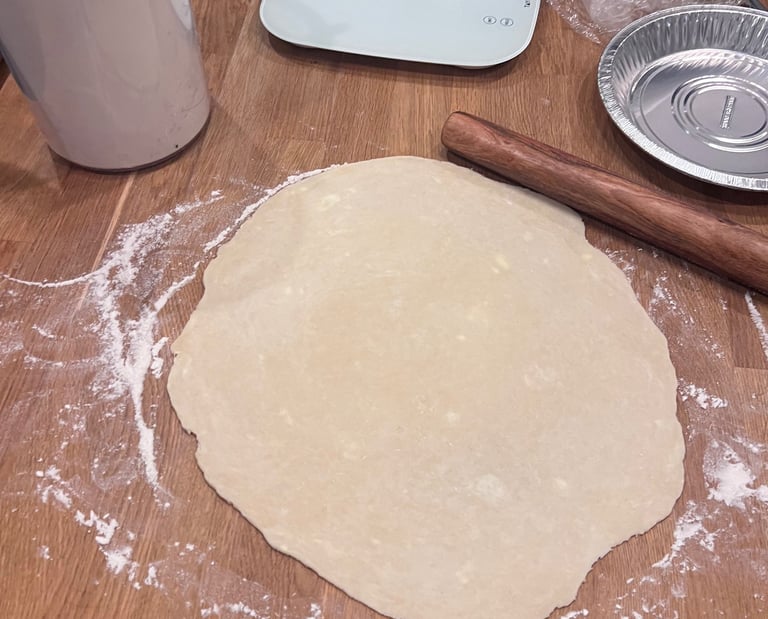
My signature butter-lard pie crust uses a simple 3:2:1 ratio that combines butter for flavor with lard for exceptional flakiness. The result is a crust that's sturdy enough to support a rich pecan filling without becoming tough or difficult to roll.
A great filling deserves a great foundation. Never treat the crust as an afterthought.
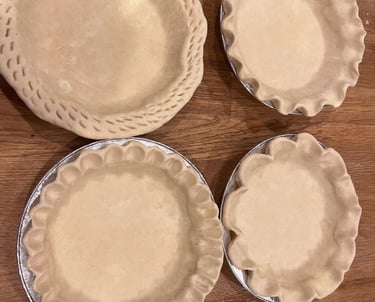
2. Finish with a Confident Crimp
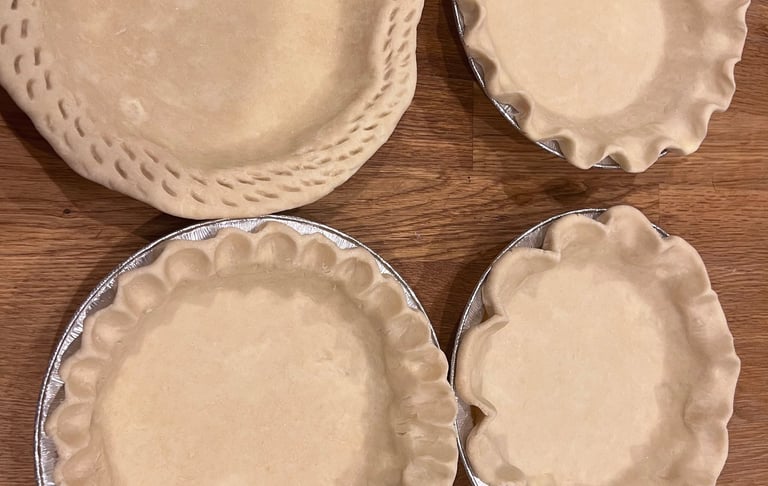
A beautiful crimp does more than make your pie look impressive.
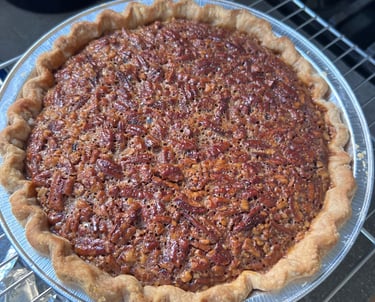
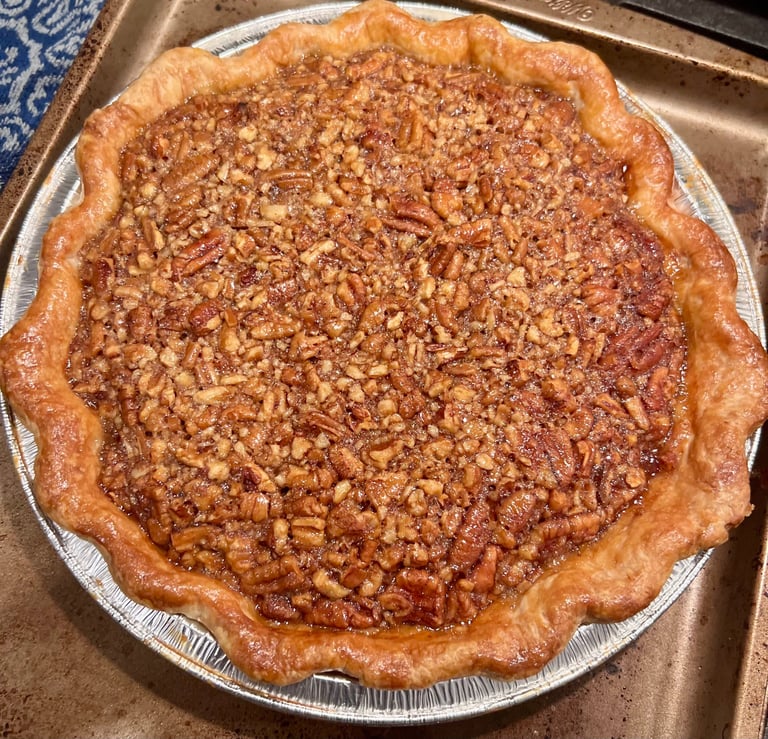
The folded edge helps reinforce the rim of the crust, reducing shrinkage during baking while giving the finished pie a polished, handcrafted appearance. Judges notice details like this, and so do guests.
You don't need an elaborate decorative edge. A simple, even finger crimp that holds its shape is often the most attractive choice.
3. Always Par-Bake the Crust
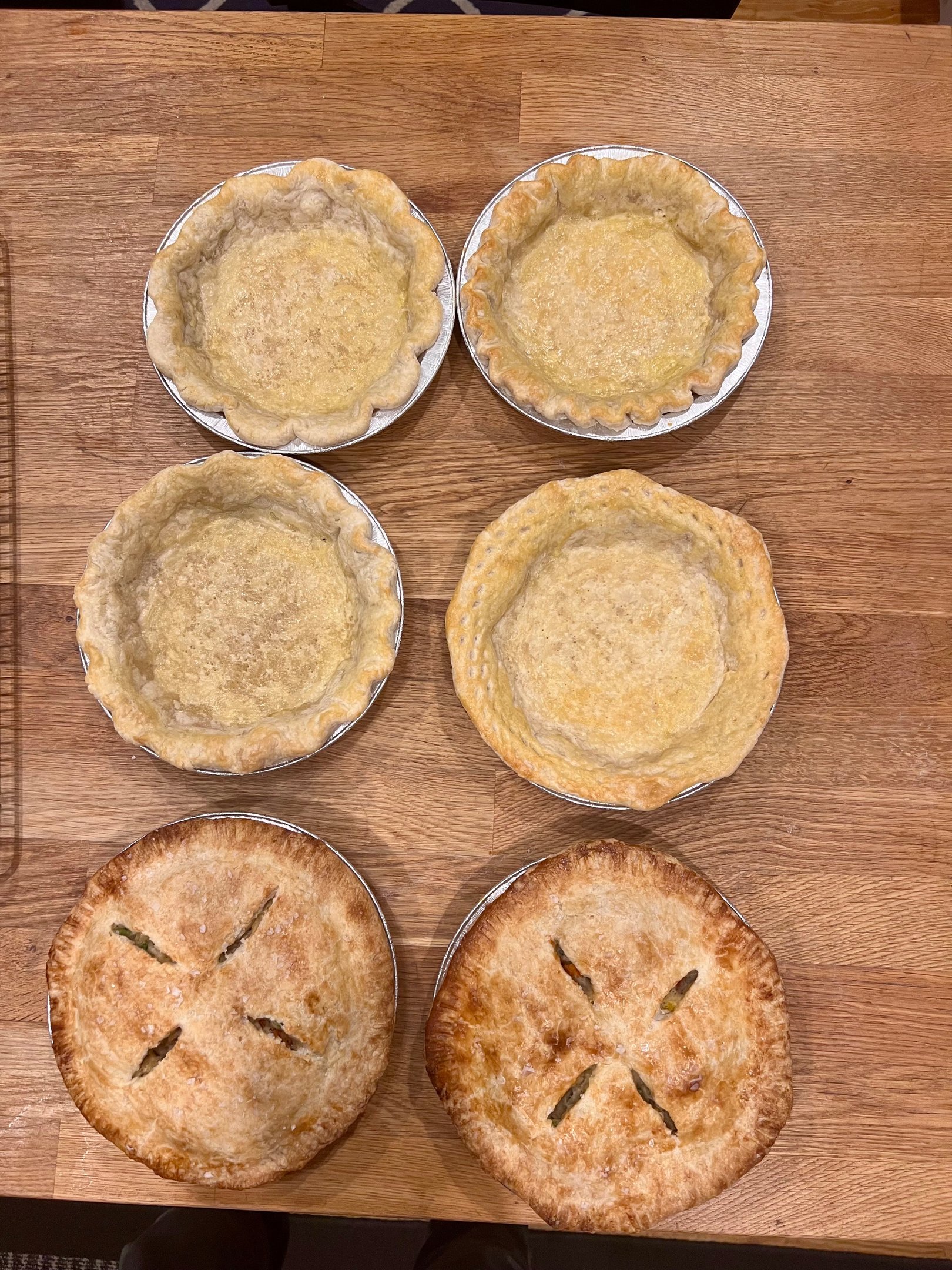
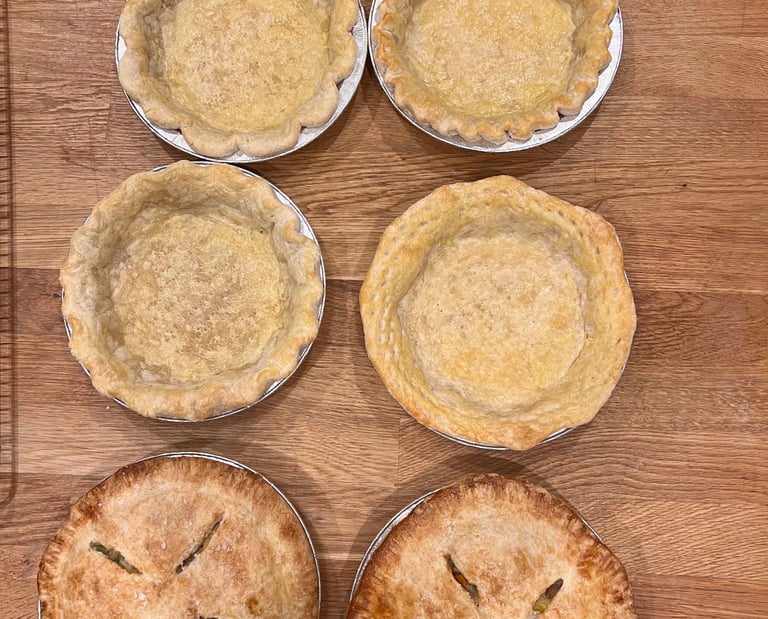
Pecan pie filling is rich, heavy, and full of liquid. If you pour it into raw dough, the bottom crust often struggles to bake before the filling is finished.
Par-baking gives the crust a head start. I also brush the warm crust with a thin layer of beaten egg white before adding the filling. As it bakes, the egg creates a moisture barrier that helps keep the bottom crust crisp instead of soggy.
It only adds about 15 minutes to the process, but it's one of the biggest improvements you can make. Read my Blind-Baking Guide.
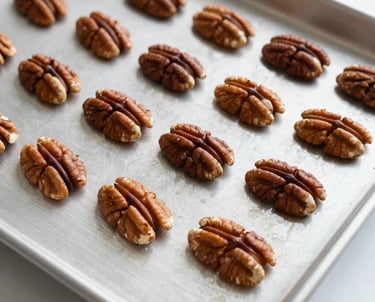
4. Toast the Pecans
This might be the easiest upgrade on this entire list.
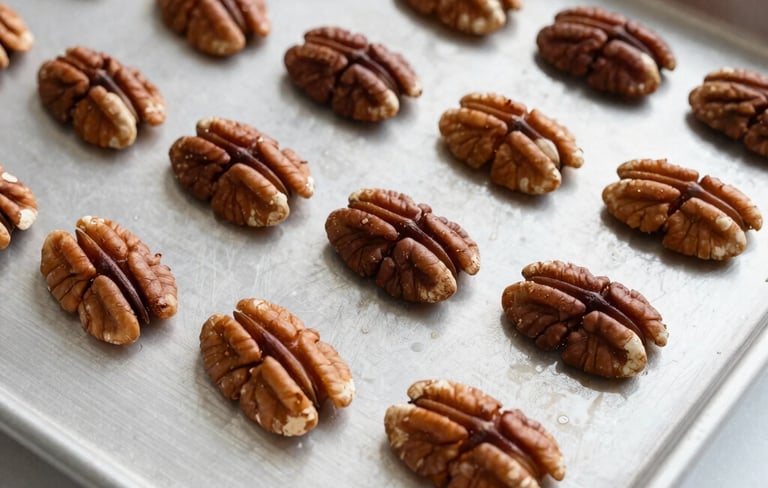
Five to eight minutes in a 350°F oven wakes up the pecans' natural oils, making them noticeably richer and more aromatic. Instead of tasting flat or raw, they develop a deeper roasted flavor that carries through the finished pie.
Your kitchen will smell incredible, and your pie will taste better because of it.
5. Break Up the Pecans
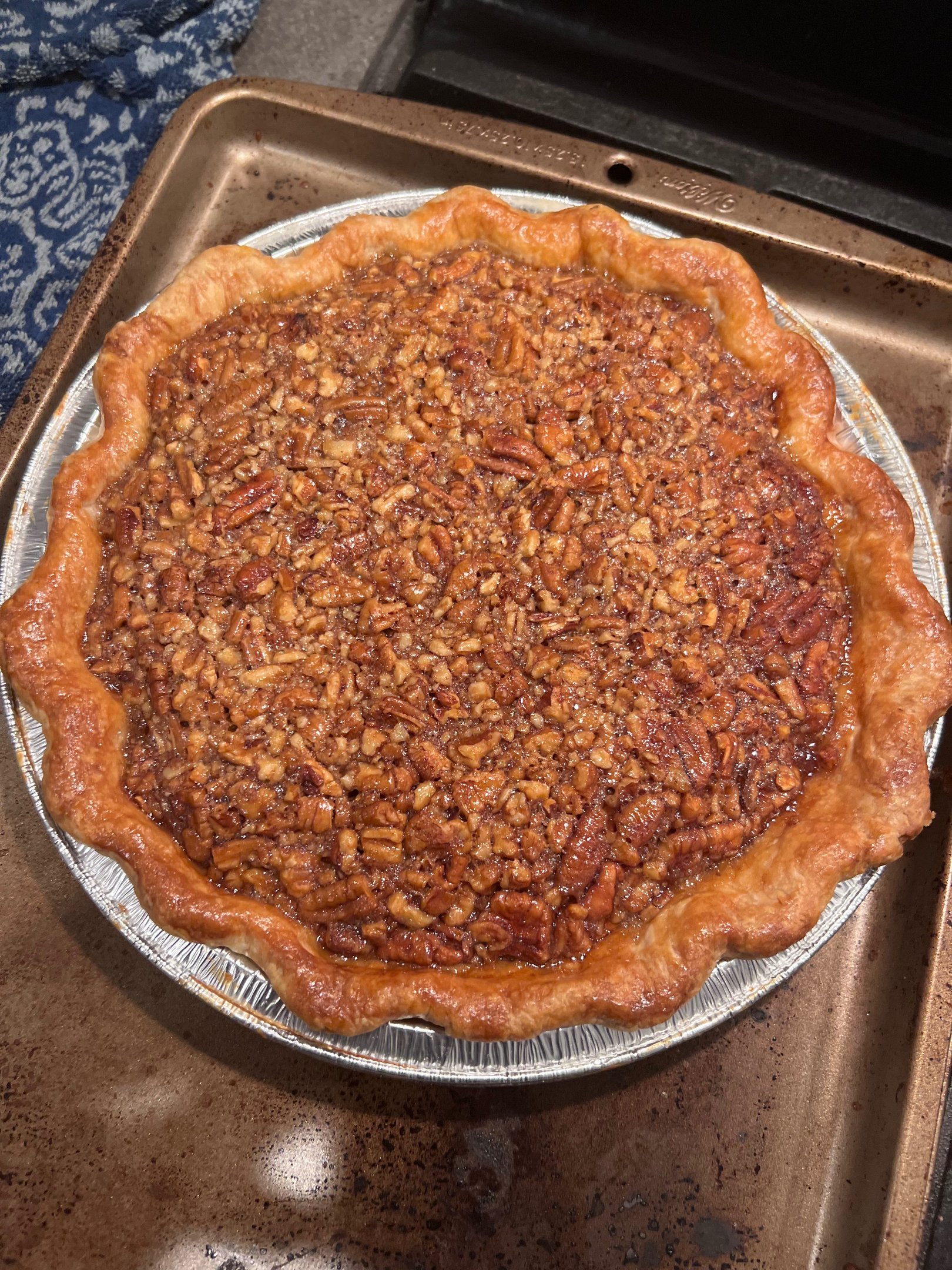
Many pecan pies are topped with perfect rows of whole pecan halves. They look beautiful, but they often create oversized crunchy bites that overwhelm the filling.
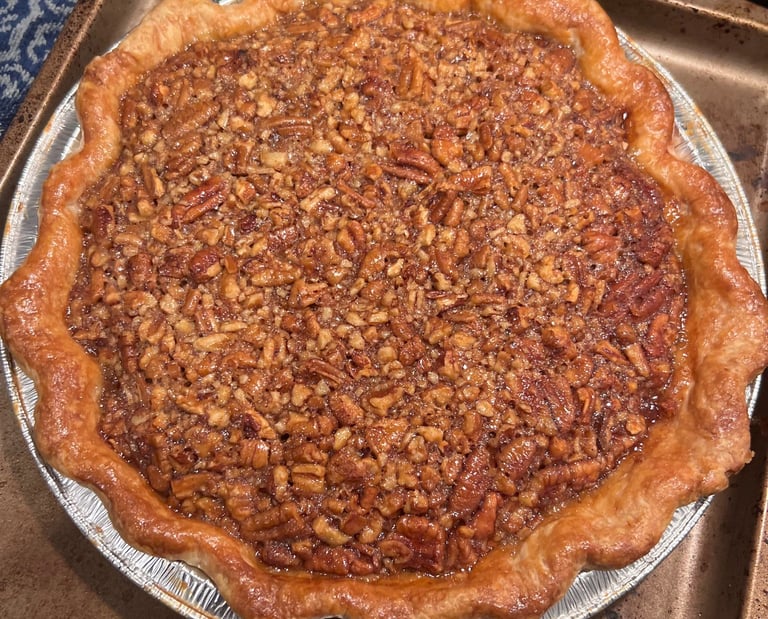
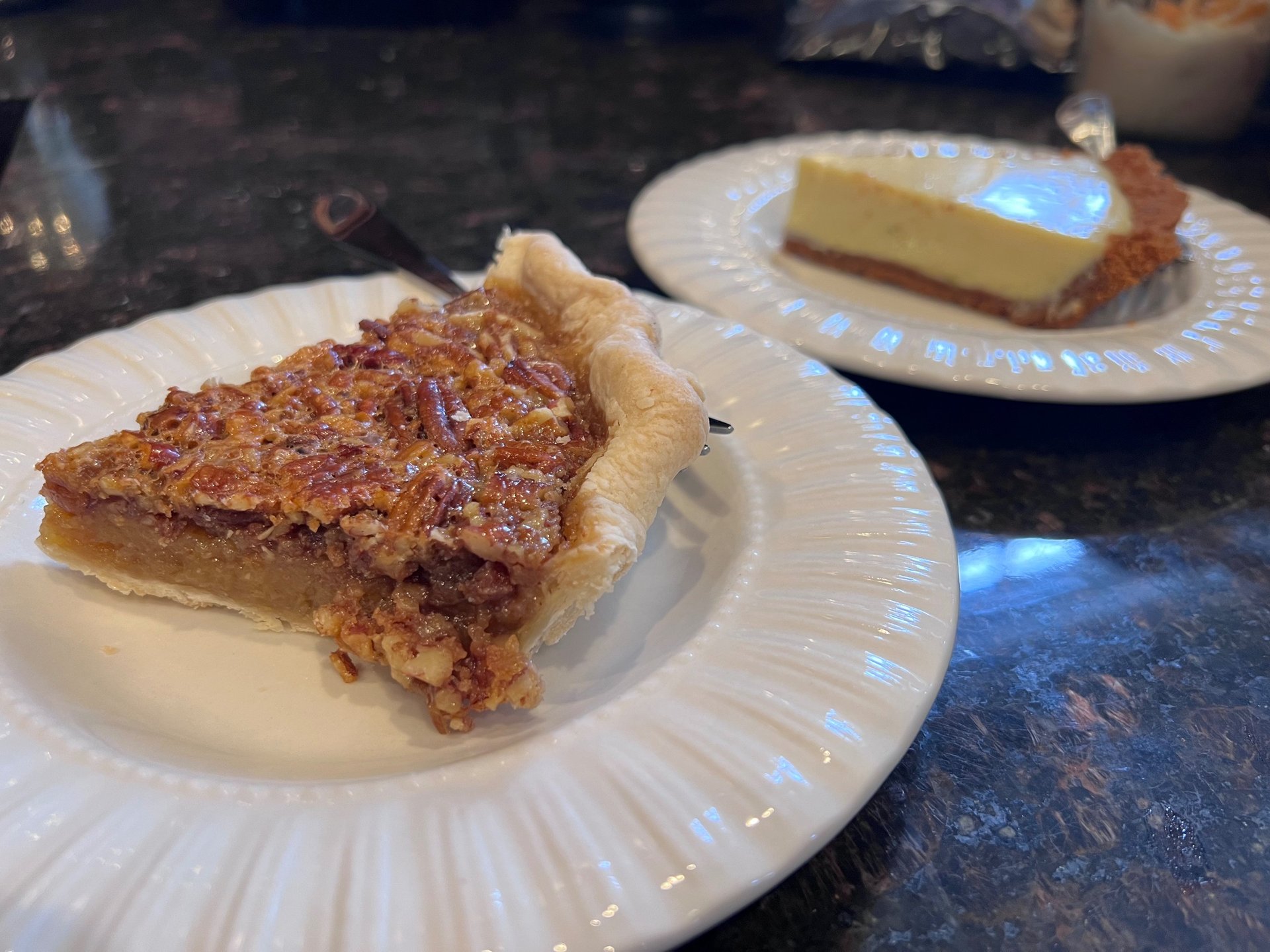
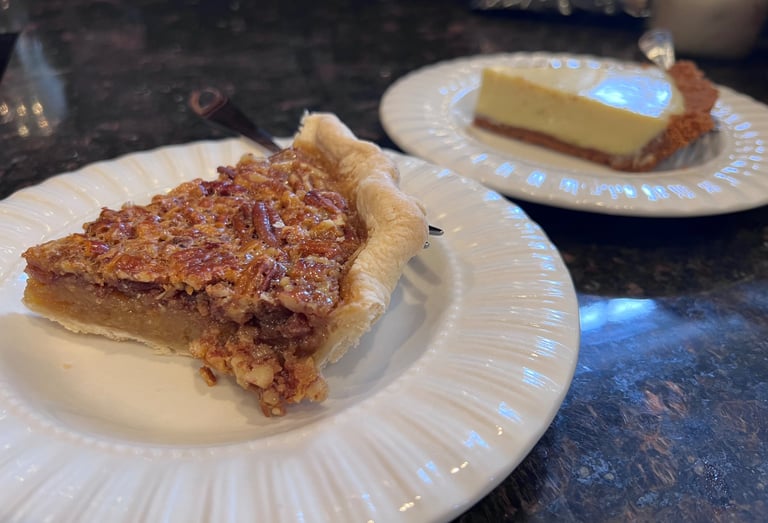
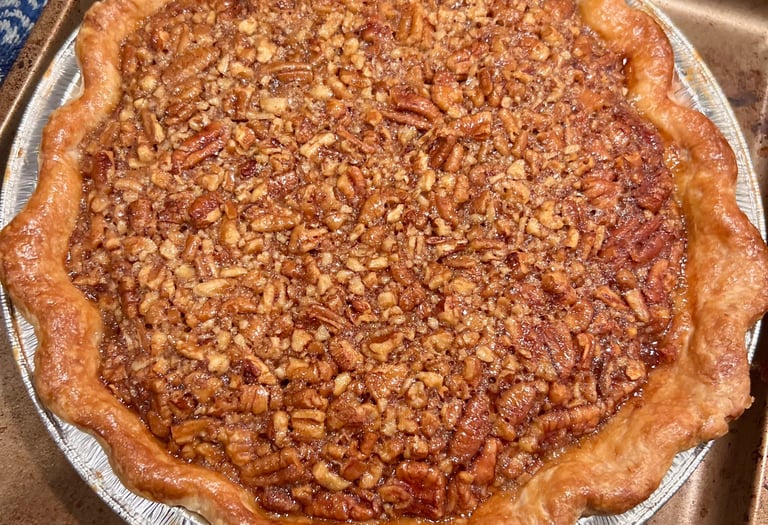
I prefer roughly chopped pecans because they distribute evenly throughout the custard. Every forkful includes flaky crust, silky filling, and toasted pecans instead of one giant mouthful of nuts.
I usually transfer the toasted pecans to a zip-top bag and give them a few gentle passes with a rolling pin. It creates a nice mix of large and small pieces without turning them into crumbs.
The result is a pie that eats better, not just one that photographs well.
6. Don't Bury the Custard
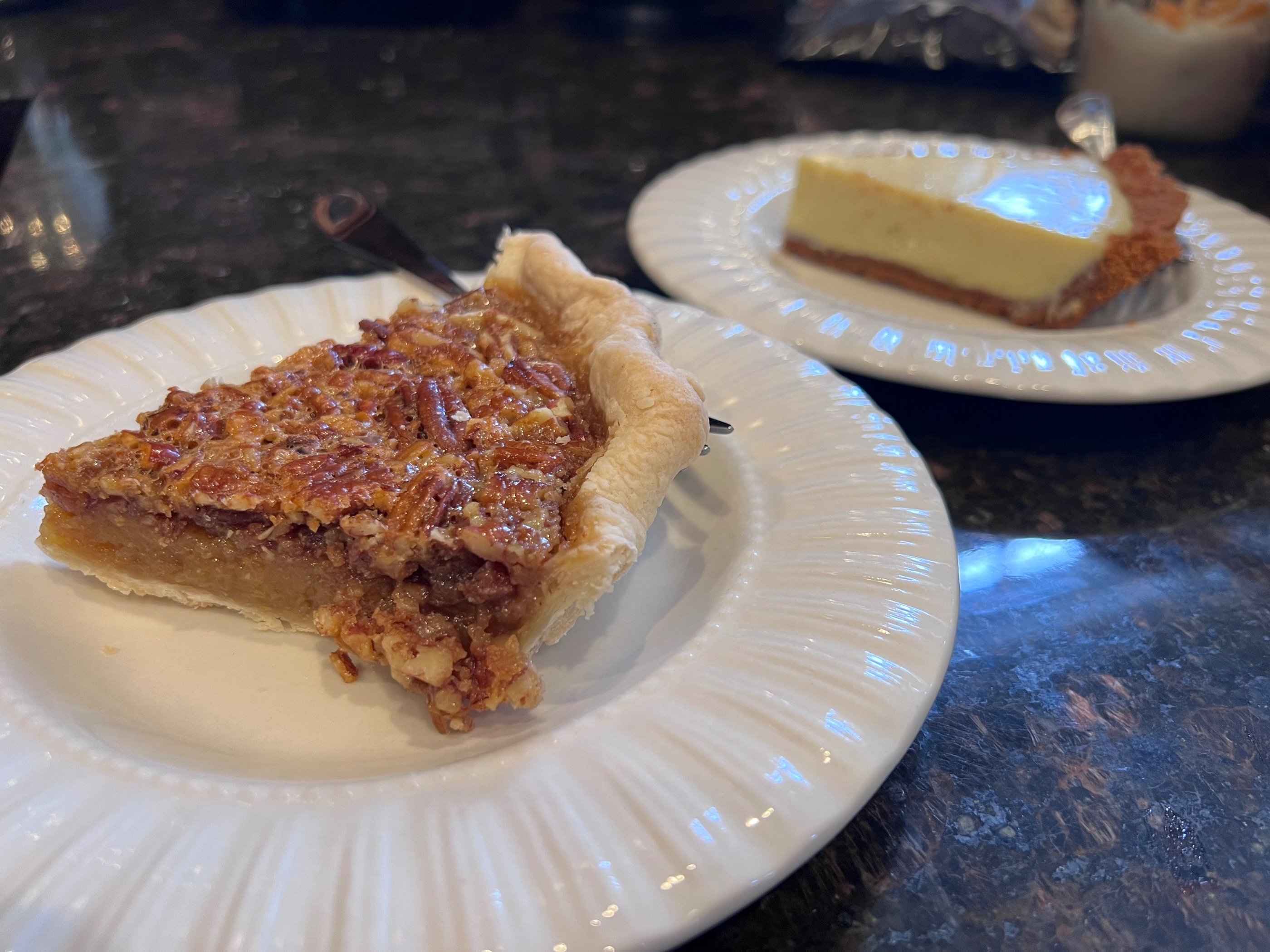
The custard is every bit as important as the pecans.
Many recipes call for so many pecans that there's barely any filling left. I intentionally use fewer pecans than most recipes because I want every bite to have the perfect balance of flaky crust, silky custard, and toasted nuts.
A pecan pie should be about harmony, not just quantity.
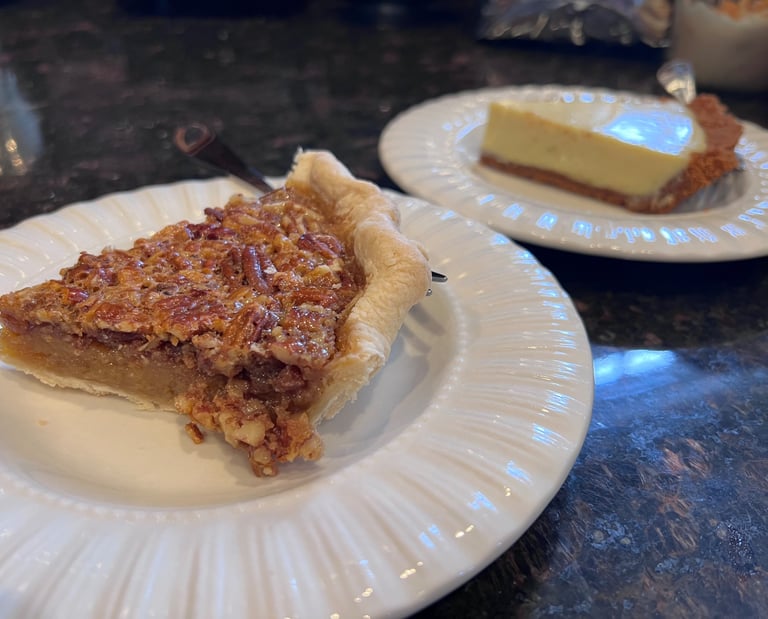
7. Skip the Corn Syrup
Corn syrup has been a staple of pecan pie recipes for decades, but it's not the only way to make a beautifully set filling.
I use agave syrup because it has a lower glycemic index than corn syrup while producing the same smooth, sliceable texture and deep amber color. It also has a cleaner sweetness that allows the toasted pecans, butter, vanilla, and brown sugar to stand out.
It's a small change that has become one of my signature ingredients.
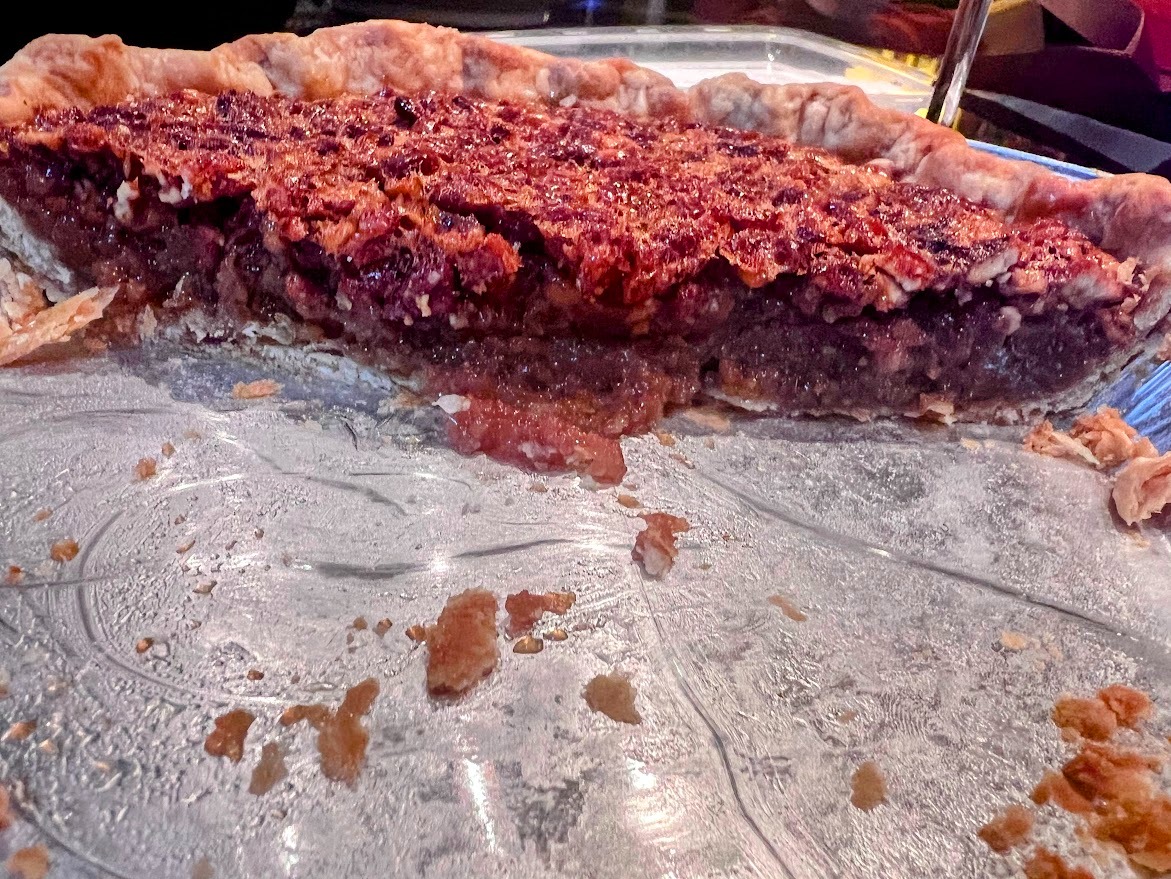
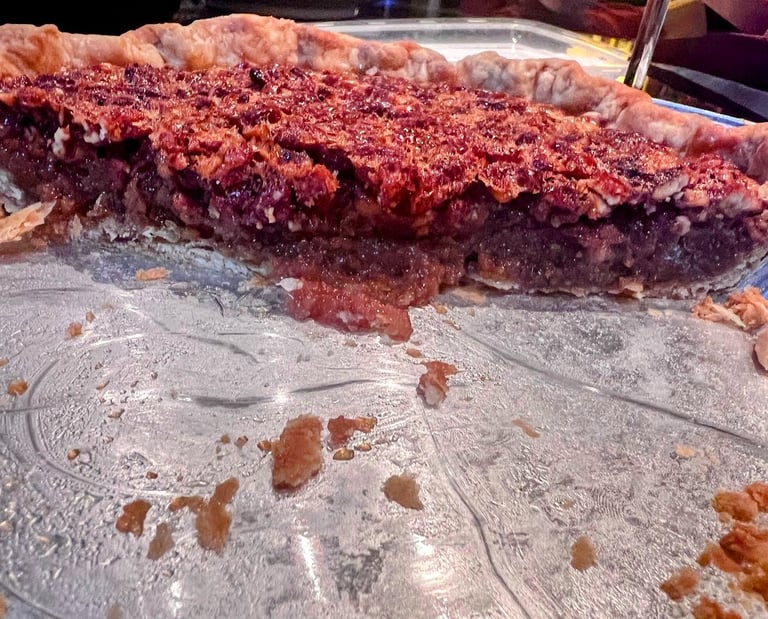
8. Shield the Crust
The filling needs nearly 45 minutes in the oven, but the exposed edges of the crust don't.
About halfway through baking, cover the rim with a pie shield or strips of aluminum foil. This protects the delicate edge from overbrowning while allowing the center of the pie to finish baking.
Golden brown is the goal. Burnt edges aren't a badge of honor.
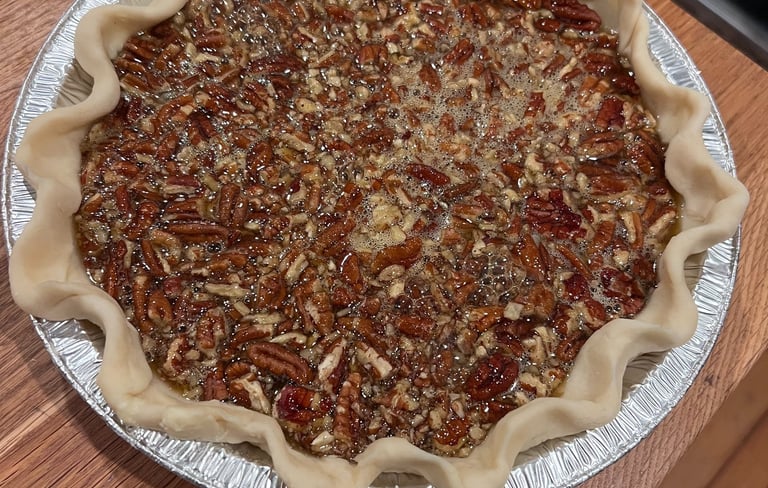
9. Trust the Wobble
This may be the hardest lesson for new pie bakers.
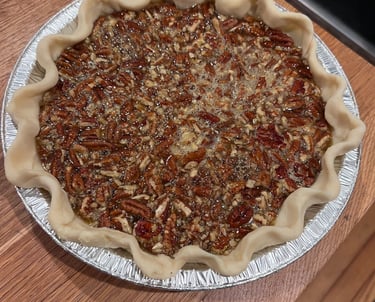
The pie is done when the edges are set but the center still has a gentle wobble. The wobble disappears as the pie cools. If you wait until the center is completely firm or the top begins to crack, the filling has likely baked a little too long.
Residual heat continues cooking the custard as the pie cools. If you wait until the center is completely firm before removing it from the oven, you'll often end up with a dry, overbaked filling.
Learn to trust the wobble.
10. Let It Cool Completely
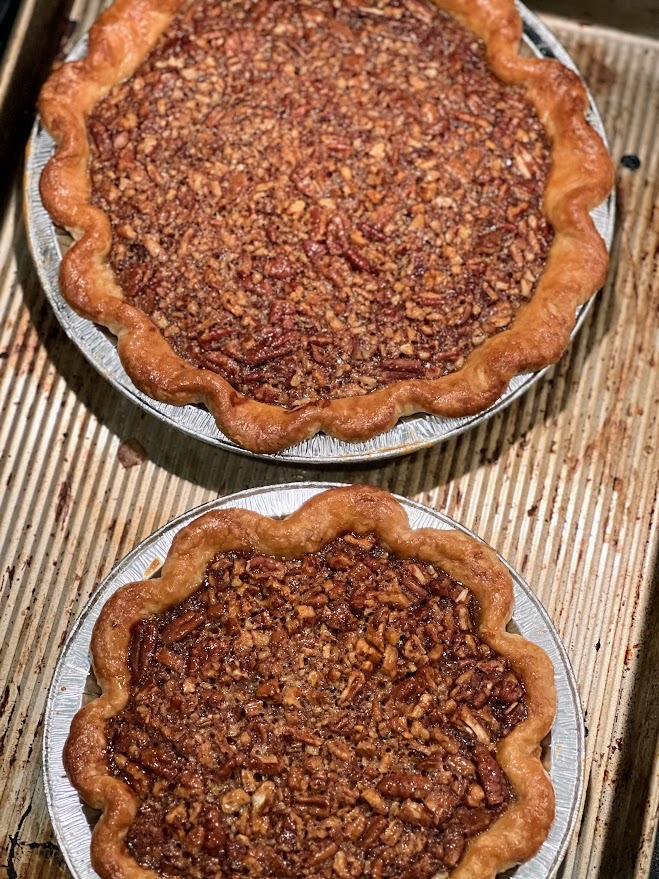
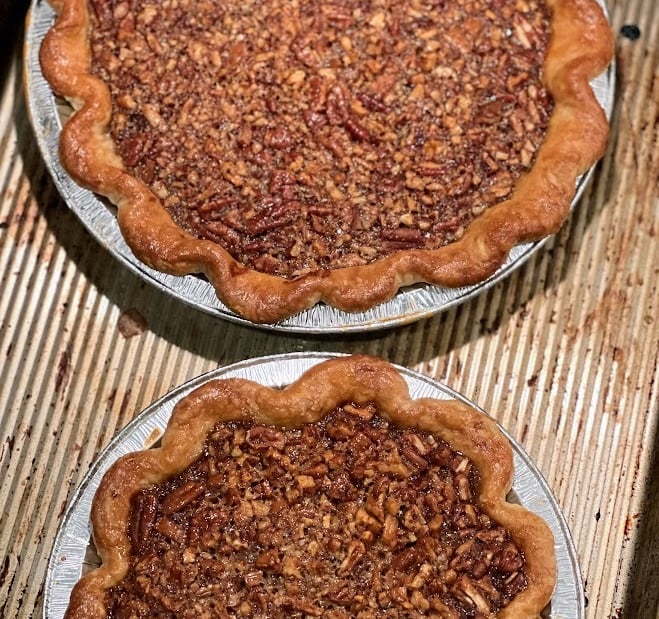
Fresh from the oven, the filling is still setting. Allow the pie to cool completely to room temperature before slicing. This usually takes 2 to 3 hours and gives the custard time to fully set for clean, beautiful slices.
If the pie hasn't completely cooled after 2 hours, transfer it to the refrigerator uncovered until it reaches room temperature, then cover for storage.
Waiting isn't the hardest part of baking a pecan pie, but it's often the most important.
Final Thoughts
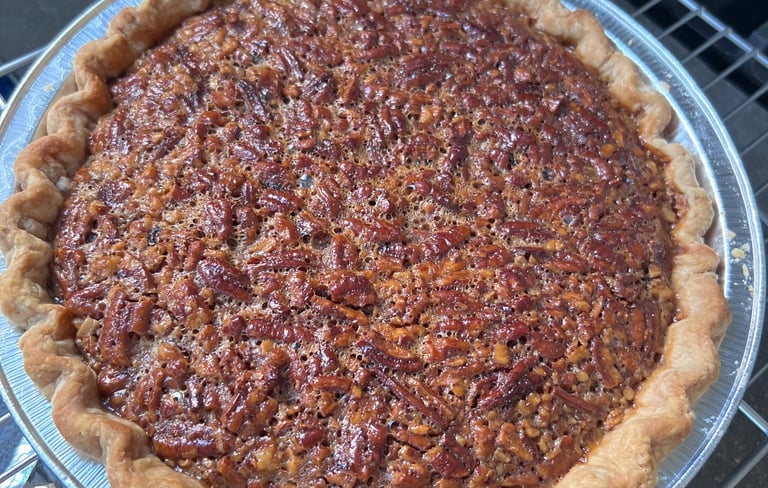
There isn't one secret to baking a great pecan pie. It's about getting dozens of little details right, from the crust to the cooling rack.
These ten principles have shaped every pecan pie I bake, from family gatherings to the Maryland State Fair. Master them, and you'll be well on your way to baking pecan pie that's worthy of holiday tables, friendly competitions, and maybe even a blue ribbon of your own.
See the Man-Made Pecan Pie Lineup
Looking for your next bake? Start here.
Award-winning pie recipes
Homemade Pie Crusts, Brownies, and Bold Desserts Built From Scratch.
A curated collection of recipes I actually make, trust, and come back to.
Built one pie at a time in Baltimore.
Good pies start with good crust. Everything else is just filling.
Michael@manmadepies.com
© 2025. All rights reserved.