Shortbread Cookie Pie Crust
A Rich, Buttery Cookie Crust That Lets the Filling Shine
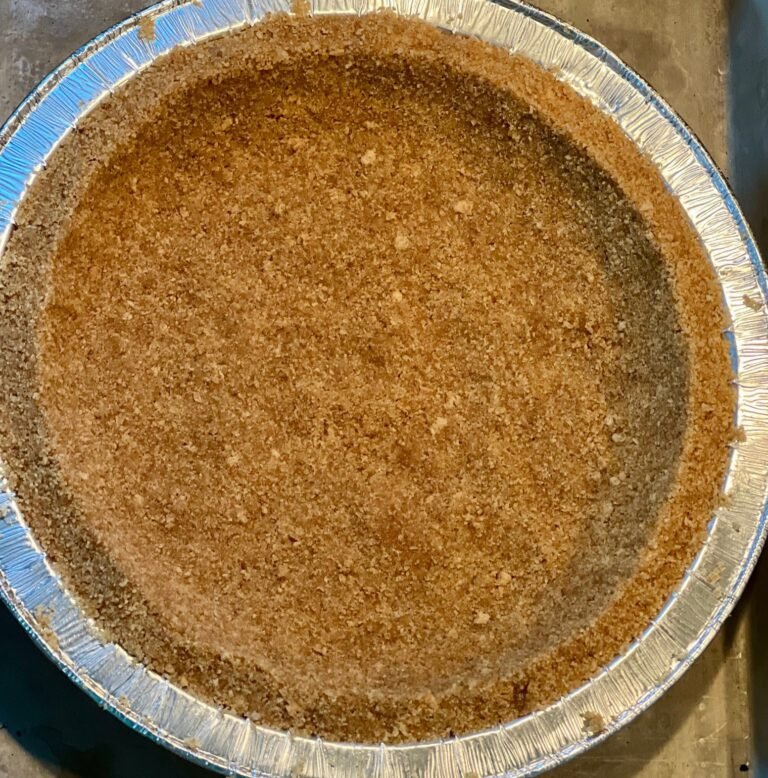
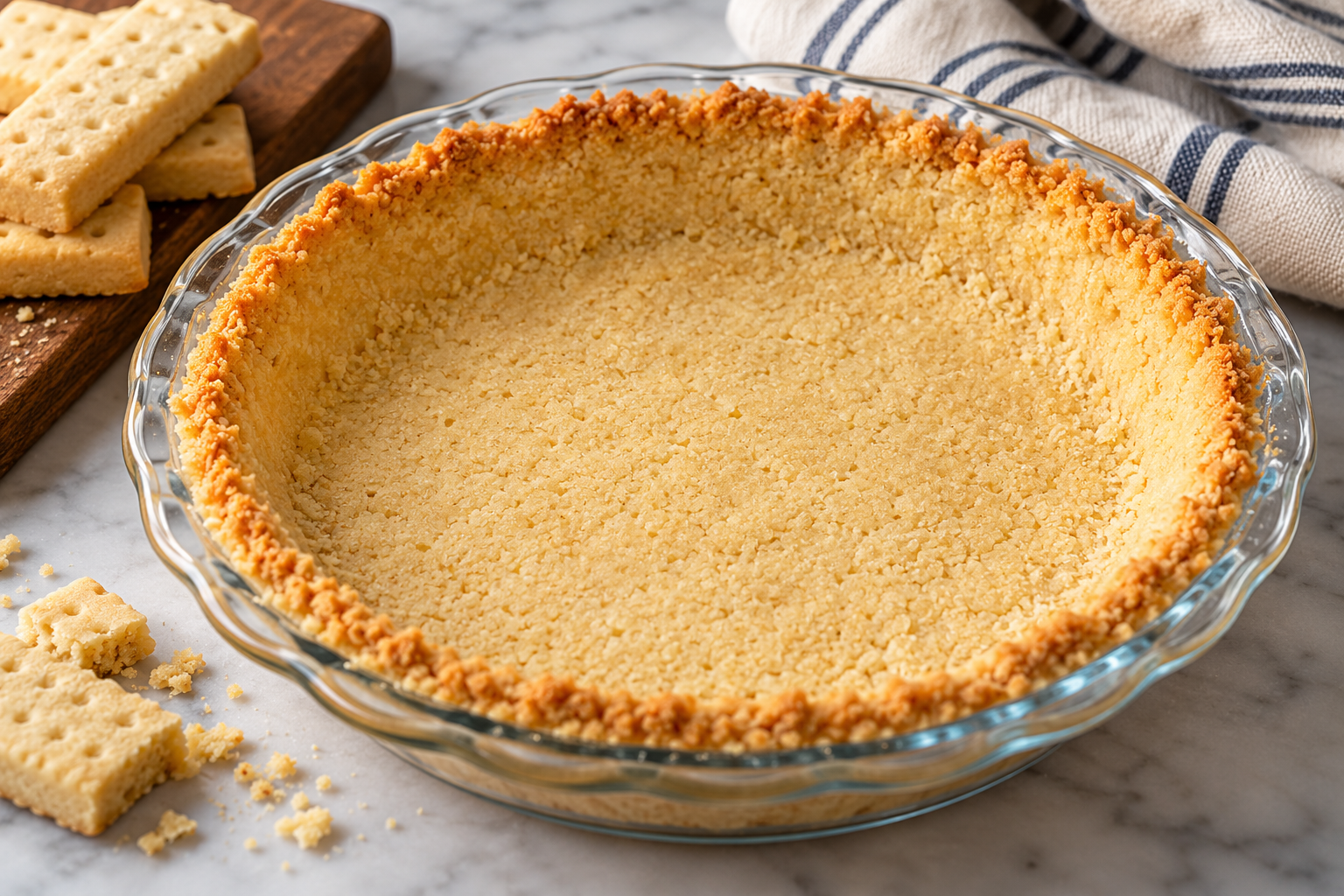
A shortbread cookie pie crust is a simple way to give your favorite pie a rich, buttery foundation without making pastry dough from scratch. I use Lorna Doone shortbread cookies and melted butter to create a crust with a delicate sweetness and crisp, tender texture that works especially well with lemon, fruit, vanilla, and cream fillings. There’s no need for additional sugar, and I’ve included measurements for both 9-inch and 6-inch pies, with baked and no-bake options.
Pies That Pair Well with Shortbread Crust
Shortbread has a rich, buttery flavor that complements a filling without competing with it. I particularly like it with bright fruit flavors, lemon, and creamy vanilla desserts.
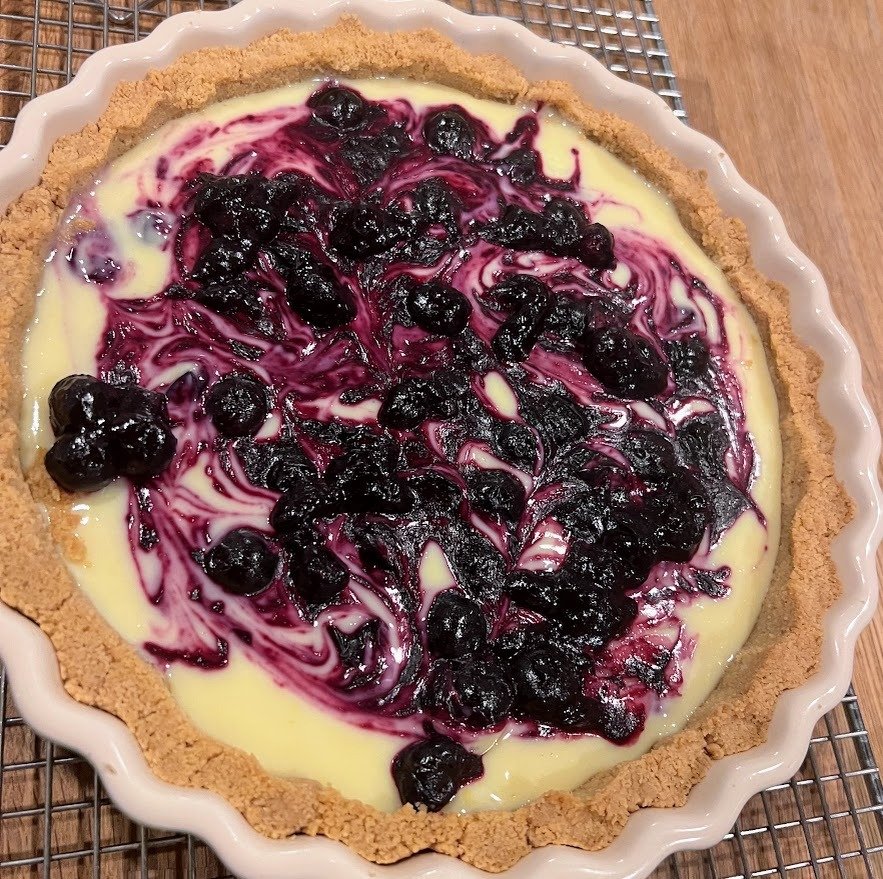
- Brown Butter Lemon Blueberry Tart: The buttery shortbread flavor pairs naturally with lemon and blueberries, letting the fruit and citrus take center stage.
- Cream Pies: Shortbread makes a delicate, buttery base for vanilla, coconut, and other creamy fillings.
Shortbread crust also works beautifully with chilled fruit desserts, custard pies, and cheesecake. If you’re looking for something with more caramel and cinnamon flavor, try my Biscoff Cookie Pie Crust.
Looking for more options? Explore my complete collection of Homemade Cookie Pie Crusts, including graham cracker, Oreo, Biscoff, and Nilla wafer crusts.
Man-Made Tip: Whenever possible, I measure ingredients in grams. It’s faster, more consistent, and eliminates the guesswork that comes with packed cups, heaping tablespoons, and uneven scoops. If you own a kitchen scale, now’s the time to use it.
Shortbread Cookie Pie Crust
Ingredients
Instructions
- Choose the 9-inch or 6-inch ingredient quantities.
- Break the Lorna Doone shortbread cookies into pieces and pulse in a food processor until finely and evenly crushed. Alternatively, place them in a sealed bag and crush with a rolling pin.
- Transfer the measured shortbread crumbs to a mixing bowl. Add the melted butter and optional salt.
- Stir until evenly combined and the mixture resembles damp sand. It should hold together when squeezed without feeling greasy.
- If the mixture seems too dry, add melted butter 1 teaspoon at a time. If too wet, add a few more crumbs.
- Transfer the mixture to a standard 9-inch or 6-inch pie plate, depending on the quantity prepared.
- Using your fingers or the flat bottom of a measuring cup, press the crumbs firmly and evenly across the bottom and up the sides.
- For a baked crust: Preheat the oven to 350°F (175°C).
- Bake a 9-inch crust for 8–10 minutes or a 6-inch crust for 6–8 minutes, until lightly golden and fragrant.
- Cool completely before adding the filling.
- For a no-bake crust: Refrigerate for at least 30 minutes, until firm, before filling.
- Once the crust has cooled or chilled, add your desired filling.
- Bake or refrigerate according to the filling recipe’s instructions.
Notes
Frequently Asked Questions
I use Lorna Doone shortbread cookies. They have a buttery flavor and a crisp texture that works well for a crumb crust. You can substitute another brand of shortbread, but I recommend weighing the cookies rather than relying on the cookie count.
No. Shortbread cookies already contain sugar, so there’s no need to add more. I prefer letting their buttery flavor come through without making the crust overly sweet.
Yes. Press the crumbs firmly into the pie plate and refrigerate for at least 30 minutes before adding a chilled filling. Baking the crust briefly at 350°F produces a slightly firmer, more toasted crust.
Shortbread cookies vary in their butter content and texture. If the crumbs are too coarse or the mixture doesn’t have enough melted butter, the crust may fall apart. Crush the cookies finely, check that the mixture holds together when squeezed, and press firmly into the pie plate.