Ingredients
Instructions
Prepare the Cookies
- Choose one cookie crust variation and size from the ingredient list.
- Break the cookies or crackers into pieces and pulse in a food processor until finely and evenly ground. Alternatively, place them in a sturdy zip-top bag and crush with a rolling pin.
Man-Made Tip: The crumbs should resemble fine sand, without large pieces. Avoid processing them so long that they turn into a paste.
Mix the Crust
- Transfer the measured crumbs to a mixing bowl. Add the melted butter, along with the brown sugar and salt if called for in your chosen variation.
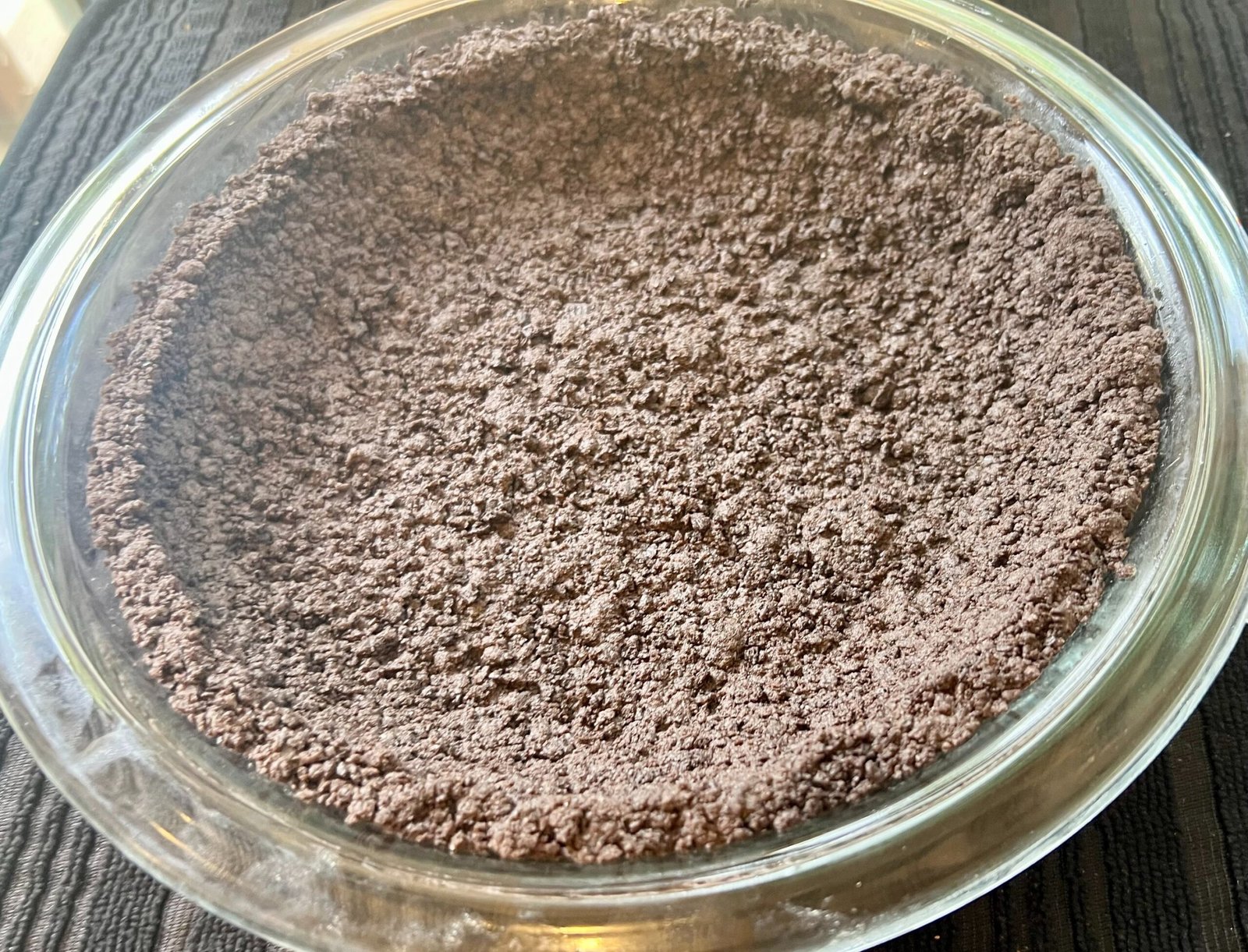
- Stir until the ingredients are evenly combined and the crumbs resemble damp sand. The mixture should hold together when squeezed without feeling greasy.
- If the mixture is too dry to hold together, add melted butter 1 teaspoon at a time. If it seems overly wet, stir in a small amount of additional cookie crumbs.
Press into the Pie Plate
- Transfer the crumb mixture to the appropriate 9-inch or 6-inch pie plate.
- Using your fingers or the flat bottom of a measuring cup, press the crumbs firmly and evenly across the bottom and up the sides.
Pie Plate Size: These quantities are designed for standard 9-inch and 6-inch pie plates. Deep-dish pans may require additional crumbs and butter, especially if you want the crust to extend all the way up the sides.
Bake or Chill the Crust
- For a baked crust: Preheat the oven to 350°F (175°C).
- For a 9-Inch pie, bake for 8–10 minutes, until the crust is set and fragrant. Graham cracker, Biscoff, and shortbread crusts may develop a slightly deeper golden color.
- For a 6-Inch pie, bake for 6-8 minutes
- Remove from the oven and cool completely before filling.
- For a no-bake crust: Refrigerate the prepared crust for at least 30 minutes, or until firm, before adding the filling.
Man-Made Tip: Whenever the filling recipe allows, I prefer briefly baking the crust. It helps the crumbs hold together and produces a sturdier base, even for pies that don't require additional baking.
Add the Filling
- Once the crust has cooled or chilled, add your prepared filling.
- Bake or refrigerate according to the instructions for your chosen pie recipe. For fillings that require additional baking, follow the filling recipe's directions for preparing the crust.
Notes
Weigh your crumbs. Cookie sizes vary by brand, so gram measurements are more reliable than counting individual cookies or crackers.
Keep the Oreo filling. Use whole sandwich cookies, including the cream filling. It contributes sweetness and helps bind the crust.
Don't overdo the butter. Different cookies absorb butter differently. The mixture should hold together when squeezed, not look oily. Make small adjustments rather than adding an entire tablespoon at once.
Press firmly, but evenly. A flat-bottomed measuring cup helps create a smooth base. Pay special attention to the corners, where loose crumbs can cause the crust to break when sliced.
Bake when possible. A short bake improves flavor and structure, particularly for pies with soft or creamy fillings. Cool completely before filling.
Watch the edges. Shortbread and graham cracker crusts can brown quickly. Oreo crusts won't visibly brown, so use the baking time and texture as your guides.
Make ahead. Store cooled, unfilled baked crusts tightly covered in the refrigerator for up to 3 days, or freeze for up to 3 months. Thaw in the refrigerator before filling.